
BPC-157 Oral
$95.00
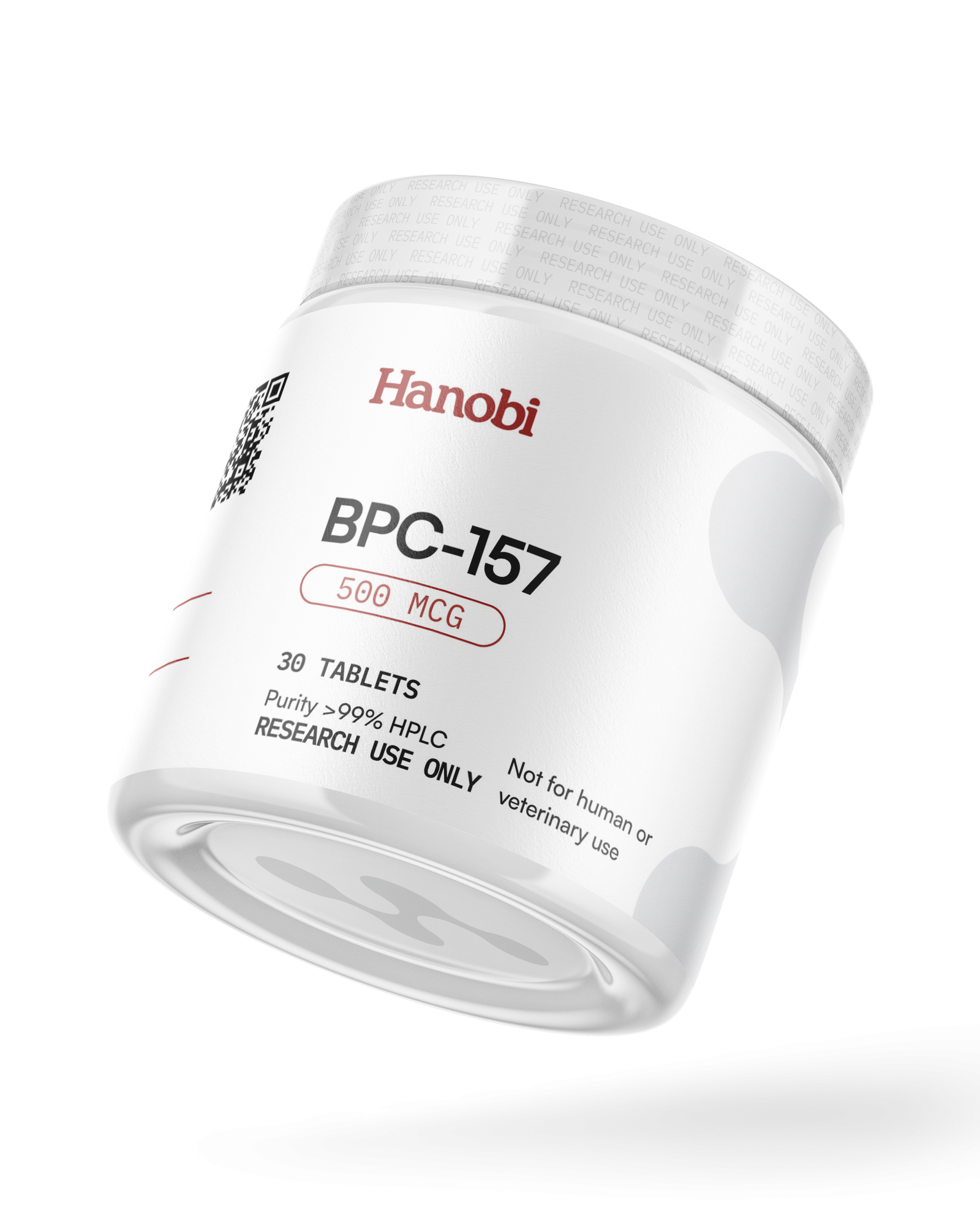
BPC-157 is a synthetic pentadecapeptide (Gly-Glu-Pro-Pro-Pro-Gly-Lys-Pro-Ala-Asp-Asp-Ala-Gly-Leu-Val) corresponding to a fragment of the body protection compound originally identified in gastric juice. In laboratory research, BPC-157 is studied for its interaction with angiogenic and cytoprotective signaling pathways, including modulation of nitric oxide–associated mechanisms, growth factor expression, and extracellular matrix dynamics. These molecular interactions make it a relevant tool for investigating cellular response pathways under experimentally induced stress conditions.
Preclinical investigations—including in vitro systems and controlled animal models—commonly examine its influence on angiogenesis-related signaling, cellular migration, and tissue remodeling markers. Researchers utilize these models to assess pathway-level changes in vascular biology, epithelial integrity, and extracellular matrix organization. Such experimental frameworks enable precise evaluation of peptide-mediated signaling cascades without implying human application.
Quality & Research Integrity
All Hanobi® peptides are synthesized in-house within our Southern California laboratories using advanced solid-phase methodologies. Each batch undergoes rigorous analytical verification, including High-Performance Liquid Chromatography (HPLC) and Mass Spectrometry (MS), to confirm sequence accuracy, molecular identity, and purity. Raw materials are sourced exclusively from independently vetted, accredited suppliers to ensure consistency, integrity, and regulatory compliance.
Capsule Disclaimer
Capsules are supplied solely as inert containers for the dry transport, storage, and handling of laboratory research materials. They are not dosage forms and are not intended for ingestion or administration. They must not be used as drug delivery systems, consumed, or administered in any manner.
For Research Use Only (RUO)
Not for use in humans or animals. Not for diagnostic or therapeutic purposes.
References
Sikiric P et al., Current Pharmaceutical Design, 2018;24(18):2002–2030
Kang EA et al., Digestive Diseases and Sciences, 2013;58:3310–3317
Seiwerth S et al., Biomedicines, 2018;6(3):75